
 English



 Women
Women
 Bottom Wear
 Western Wear
 Maternity Wear
 Women's Inners
 Men's
Men's
 Men Traditional Wear
 Men Western Wear
 Men Inners

Personal Style
Finding A Style That Feels Like You

Personal style begins with awareness. Instead of looking outward for direction, start by noticing what you naturally gravitate toward. The colors you choose, the shapes you prefer, and the combinations that feel effortless all reveal something about your style. These patterns are often subtle, but they form the foundation of authenticity. When you understand your preferences, your choices begin to feel more aligned and less influenced by outside noise.
Moving Beyond Trends
Trends can be inspiring, but they are not meant to define you. Following them too closely can make your style feel temporary and disconnected. Instead, take inspiration selectively and adapt it to your own way of dressing. This allows you to stay current without losing your identity. Personal style becomes stronger when it is shaped by intention rather than constant change.
Dressing With Self-Awareness
Confidence grows when you dress with clarity. Understanding what works for your lifestyle, comfort level, and personality helps you make better choices. Instead of questioning every decision, you begin to rely on your own sense of judgment. This self-awareness removes uncertainty and creates a more relaxed approach to dressing. When you feel certain, your presence becomes naturally confident.
Balancing Simplicity And Character
A strong personal style often lies in balance. Simplicity keeps your overall look clear and refined, while subtle character adds individuality. This could come through small variations in cuts, textures, or combinations that feel unique to you. The goal is not to stand out for the sake of attention, but to express yourself in a way that feels genuine. When balance is achieved, your style feels both distinct and effortless.
Letting Your Style Evolve
Style is not fixed. As your experiences change, your preferences naturally shift. Allowing your style to evolve keeps it relevant and personal. Holding on too tightly to a single idea can limit growth. Instead, stay open to change while keeping your core identity intact. This balance between consistency and evolution helps your style remain fresh without feeling forced.
Avoiding Comparison
Comparing your style to others can create unnecessary doubt. What works for someone else may not reflect who you are. Personal style is not about matching someone else's standard; it is about finding your own. When you focus on your own journey, you build confidence in your choices. This independence allows your style to develop in a more natural and meaningful way.
Building Confidence Through Repetition
Wearing what feels right repeatedly strengthens your sense of style. Familiar combinations create comfort, and comfort builds confidence. Over time, these choices become second nature, reducing the need to overthink. Repetition is not about limitation; it is about refinement. It helps you understand what truly represents you and allows your style to become more defined.
Owning Your Identity
Ultimately, personal style is an extension of who you are. It reflects your mindset, your preferences, and how you choose to present yourself. When you stop seeking approval and start owning your choices, your style becomes more powerful. Confidence comes from acceptance and clarity. When what you wear feels like a true reflection of you, it naturally carries a sense of ease, presence, and quiet confidence.
Trending Now
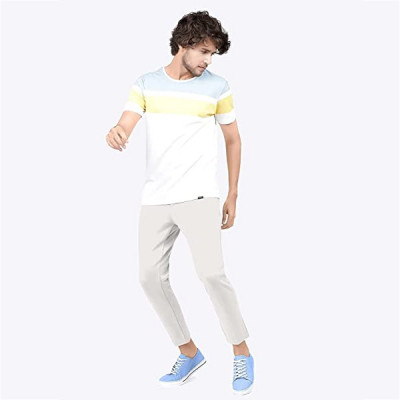
Men's Slim Fit Formal Trousers/Pant
Rs.543.00
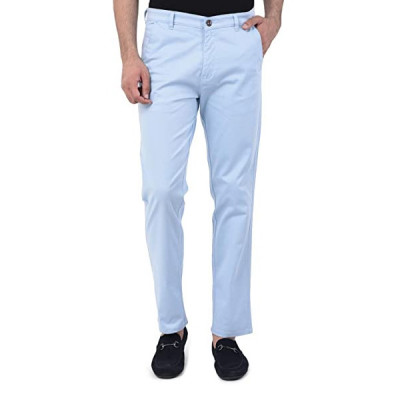
Men's Regular Fit Pants
Rs.544.00
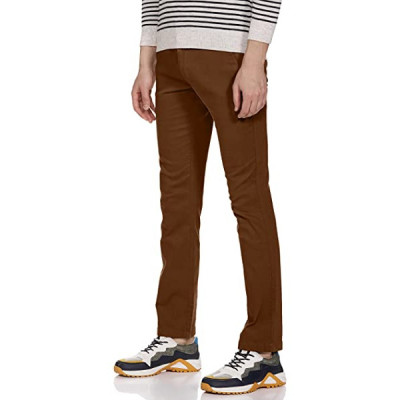
Men's Slim Casual Trouser
Rs.800.00
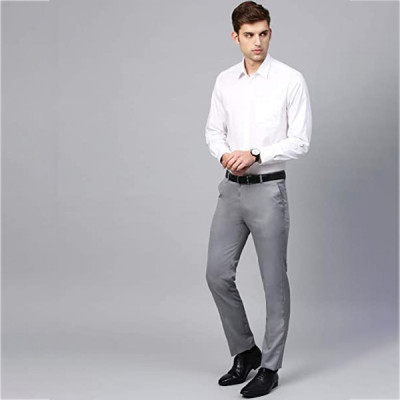
Men's Slim Fit Formal Trousers
Rs.707.00
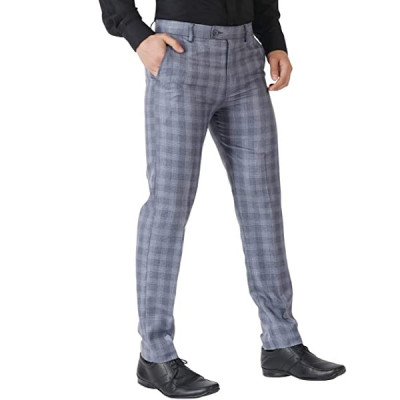
Men's Slim Fit Checkered Trouser
Rs.499.00
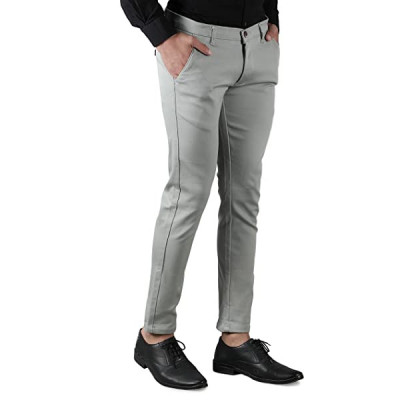
Textured Stretchable Trousers for Men
Rs.899.00
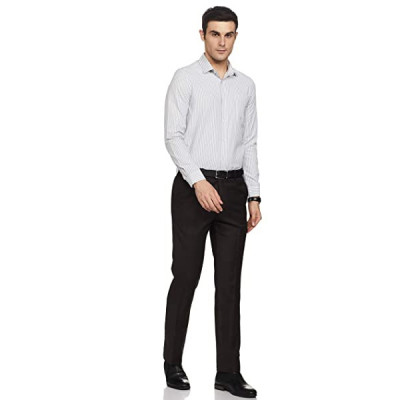
Men's Regular Pants
Rs.2,344.00